
CNN Host Abby Phillip Shuts Down Scott Jennings’ Jimmy Kimmel Excuses

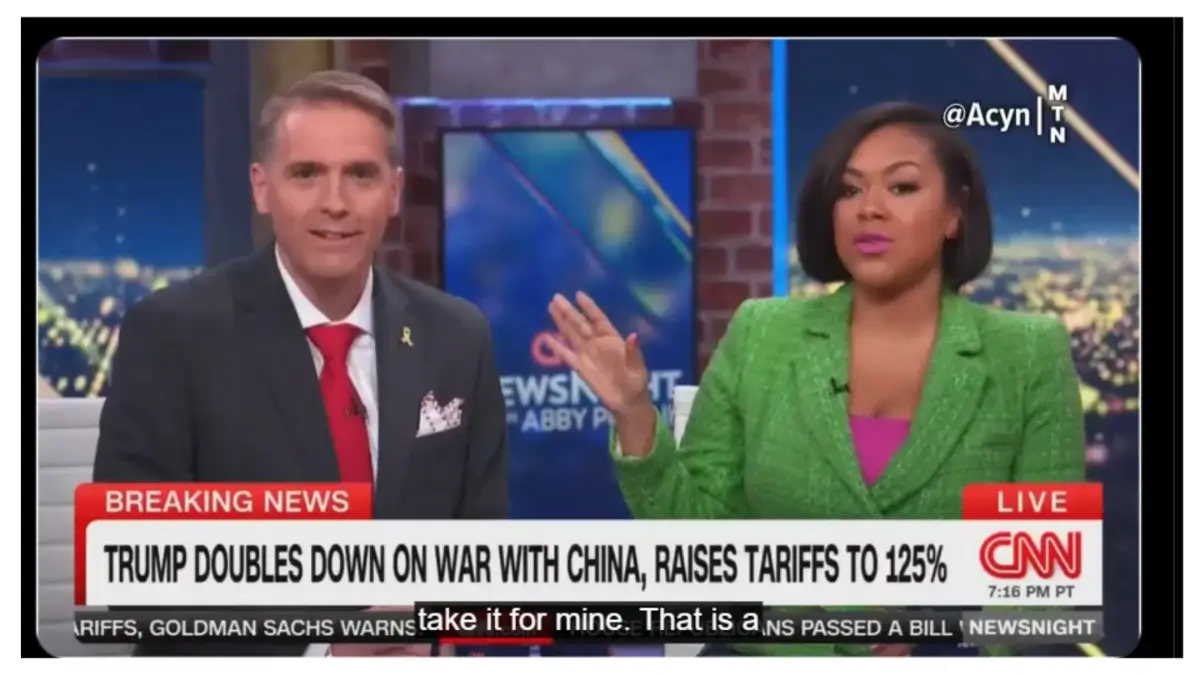
In a recent episode of CNN’s NewsNight, host Abby Phillip found herself embroiled in a captivating exchange with conservative commentator Scott Jennings. The focal point of their discussion was ABC’s surprising decision to indefinitely pull the popular show, Jimmy Kimmel Live!, from its programming. This decision stemmed from Kimmel’s pointed criticism of former President Donald Trump’s reaction to the tragic shooting incident involving conservative commentator Charlie Kirk. The backlash from Trump supporters and the subsequent ire of FCC Chairman Brendan Carr prompted significant debate around the issue of media freedom and governmental influence.
The Corporate vs. Free Speech Debate

During the heated discussion, Jennings posited that the cancellation of Kimmel’s show was merely a corporate decision taken by Disney, arguing that it should not be viewed as a violation of free speech. According to Jennings, Kimmel’s remarks had angered certain key affiliates, arguing that television has its own set of unwritten rules and consequences for those who provoke their partners. He suggested that networks often make tough choices to preserve relationships with critical affiliates who support their revenue streams.
On the contrary, Phillip challenged Jennings’ assertion. She argued that this situation reflects a broader and concerning pattern of governmental intimidation and censorship over media outlets. Phillip questioned whether it is appropriate for government officials to exert pressure on corporations concerning the content they broadcast. She emphasized that Kimmel’s criticism was not unique and raised the question of why similar commentary from figures on other networks had not met with the same repercussions.
The Contradictions in Jennings’ Arguments

One of the most striking moments in their exchange came when Phillip pointed out the contradictions in Jennings’ statements. Initially, Jennings denied that the Trump administration had any role in influencing ABC’s decision to cancel Kimmel’s show. Yet, as the conversation progressed, he implied that Carr’s warnings and threats could have influenced corporate decision-making, revealing a nuanced – if not contradictory – perspective on the interplay between government pressure and corporate actions in media.
Throughout the discussion, Jennings maintained that Kimmel’s public critique of then-President Trump justified the cancellation, arguing that such actions come with consequences in the media arena. Phillip countered this perspective, reminding Jennings that numerous personalities across various networks frequently engage in similar rhetoric without facing a similar fate. This back-and-forth dialogue illustrated the complexities involved in discussions of media freedom and governance, especially under the controversial backdrop of the Trump administration.
Media Freedom and Political Influence

The debate between Phillip and Jennings served to highlight the ongoing tensions surrounding media freedom and the relationship between politics and entertainment. Both hosts acknowledged the profound implications of corporate decisions in relation to government influence, particularly in our current media landscape. While Jennings appeared firm in his belief that Kimmel’s cancellation was a straightforward business decision, Phillip insisted that it represented something far more insidious – a potential suppression of voices that challenge political power.
As their discussion drew to a close, both parties remained steadfast in their viewpoints, underscoring the significance of engaging in these critical conversations. The episode did not yield a resolution, but it reflected the broader societal debates on the limits of free expression in a politically charged climate. As Jennings remarked on social media, “Bye bye, Jimmy,” it became apparent that the implications of this incident would extend beyond just a single television show – resonating through the much larger discourse of media and politics in America.
In conclusion, the exchange between Abby Phillip and Scott Jennings highlights the essential conversation about freedom of expression in the media landscape. It serves as a reminder that discussions about political influence and corporate governance in media are more relevant than ever. Stay informed on the latest developments in media and politics as these conversations continue to evolve.




Leave a Reply