
Watch As Scott Jennings Triggers CNN Panel By Calling Illegal Aliens ‘Criminal’

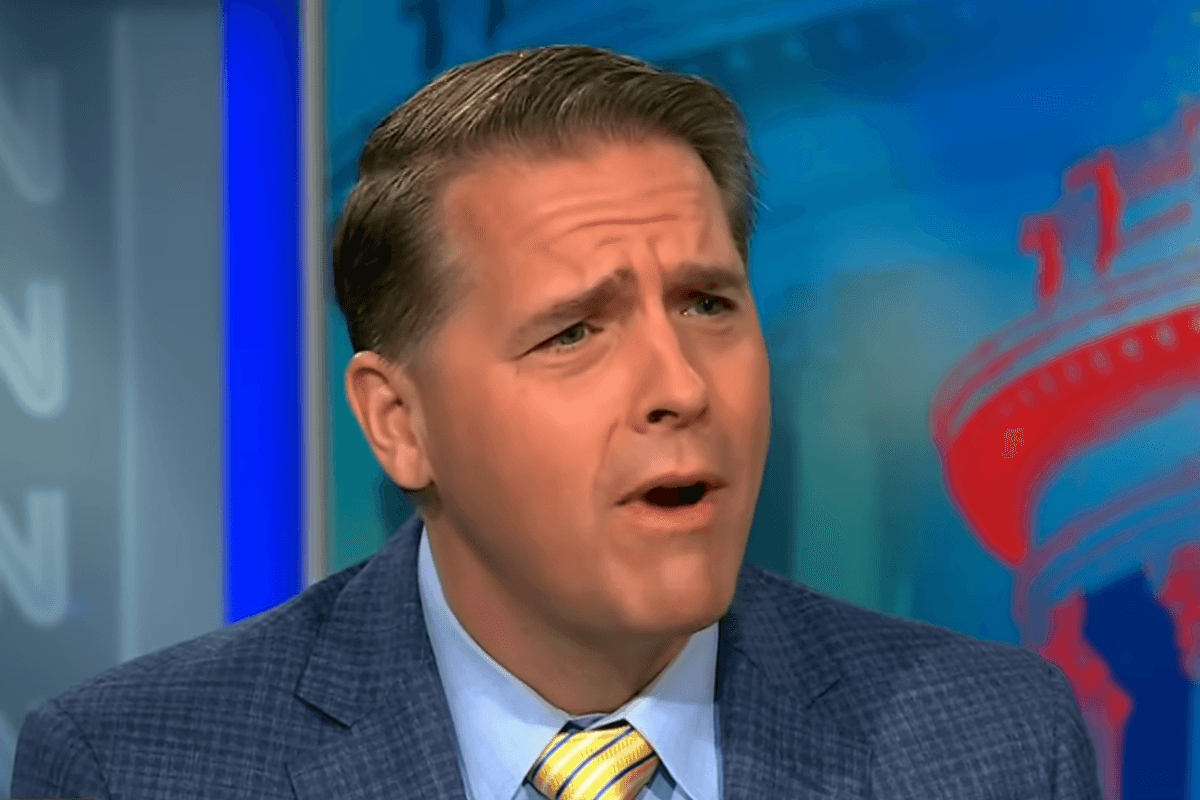
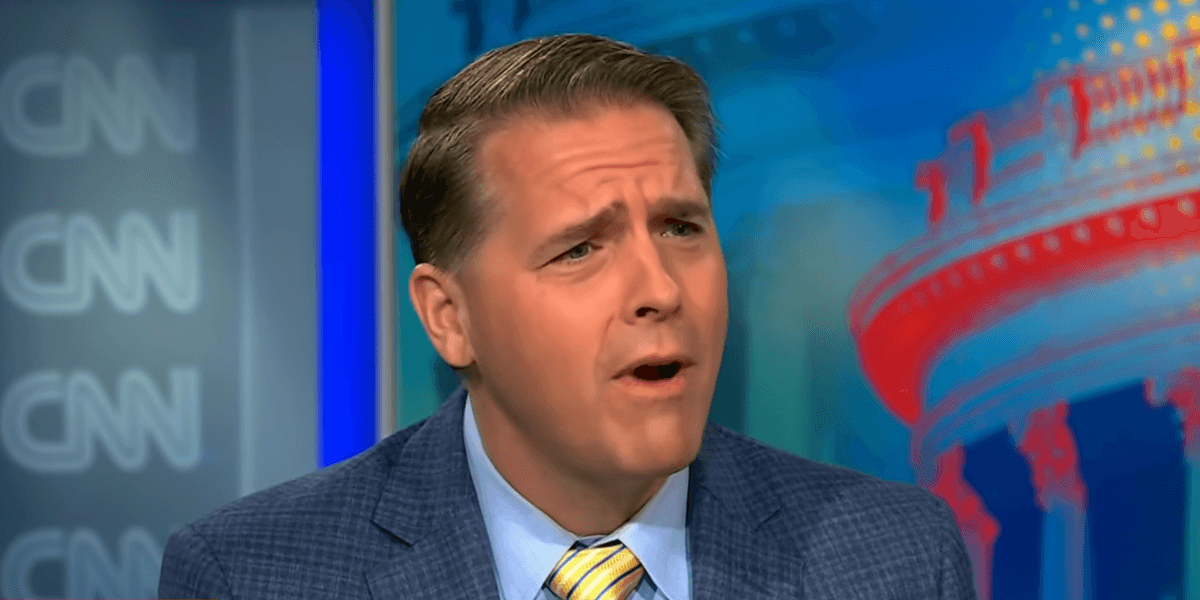
In a recent contentious segment on CNN, political commentator Scott Jennings stirred significant debate among the panelists by declaring that individuals who enter the United States illegally should be labeled as “criminals.” This provocative assertion came in the context of a broader discussion surrounding President Trump’s immigration enforcement policies in Washington, D.C.
Scott Jennings’ Stance on Illegal Immigration

During the heated exchange, Jennings firmly stated, “If you’re in the country illegally, you’re a criminal,” emphasizing that violating immigration laws justifies the potential for deportation. His comments ignited immediate backlash from CNN contributor Lulu Garcia-Navarro, who challenged Jennings by suggesting that this rhetoric wrongly implies that all undocumented immigrants are involved in violent crime. However, Jennings stood his ground, arguing that the act of entering the country without the proper documentation is, by definition, a violation of U.S. immigration law.
Jennings’ remarks coincided with newly released statistics indicating that over half of those apprehended for illegal immigration in the Washington area had no previous criminal records. Despite this, Jennings pointed out that public opinion towards Trump’s federal interventions was often positive, highlighting the increase in arrests and seizure of illegal firearms as successes of the administration’s approach to immigration enforcement.
Panel Reactions and Divergent Perspectives

The CNN panel consisted of varied perspectives on the implications of Trump’s immigration policies. Jennings notably countered statements made by Democratic strategist Adrienne Elrod, who argued that Trump’s actions were met with resistance and negative feedback from local communities. In response, Jennings asserted that the heightened police activity was largely welcomed by residents who felt safer with increased law enforcement presence in their neighborhoods.

Compounding Jennings’ argument, D.C. Mayor Muriel Bowser later acknowledged the positive impact of the federal crackdown on crime in the city, further adding to the complexity of the immigration debate. The discussions on this panel have consistently highlighted the divisive nature of immigration policy in America. They reveal a landscape where opinions vary immensely, and the implications for public safety and community relations are often obscured by political agendas.
The Current Climate Surrounding Immigration Debate

The exchange on CNN underscores the ongoing tension surrounding immigration policy in the United States, especially regarding the terminology used to describe undocumented individuals. The term “criminal” carries significant weight and can invoke fear, misunderstanding, and stigma among communities. Jennings’ claims reflect a broader narrative that many proponents of stricter immigration controls embrace, yet also reveals the pitfalls of such a viewpoint, which may oversimplify a complex issue.

Furthermore, the discussion highlights the urgent need for comprehensive immigration reform that addresses not only the legality of entry into the U.S. but also the socio-economic factors driving individuals to seek a better life. While conversations like those held on CNN can be highly charged, they are essential for unpacking the realities of immigration and the impact of policy on individual lives and communities across America.
The debate continues to grow more intricate with each passing year, as the narrative shifts and new data emerges. As Jennings and other commentators illustrate, the discussion around illegal immigration reflects far more than just legal definitions—it delves into human rights, safety, and the historical context of these policies.

In conclusion, the dialogue around immigration remains challenging and contentious, revealing deep-rooted societal concerns. It is crucial for viewers and community members to engage in these discussions actively, consider varying viewpoints, and advocate for reforms that are fair, just, and beneficial to all parties involved. If you want to learn more about today’s immigration debate, subscribe to updates and join the conversation on how we can shape our policies moving forward.



Leave a Reply