
BBC Star Chris Packham Sparks Outrage as He Backs Disgraced Angela Rayner

In recent weeks, BBC presenter Chris Packham has found himself at the center of controversy after publicly expressing support for Angela Rayner, the Deputy Prime Minister of the Labour Party, amid serious allegations concerning her financial conduct. This situation became particularly heated following revelations that Rayner allegedly neglected to pay around £40,000 in stamp duty associated with a property transaction, leading to a political firestorm just before she announced her resignation from her party positions.
In a passionate video shared on social media, Packham characterized the backlash against Rayner as a “witch-hunt.” He underscored their mutual working-class roots, arguing for the importance of standing by individuals facing undue scrutiny. He condemned the media’s aggressive tactics, deeming them harsh and unjust, and emphasized that society should show compassion towards those navigating rough waters.
Public Response to Packham’s Defense
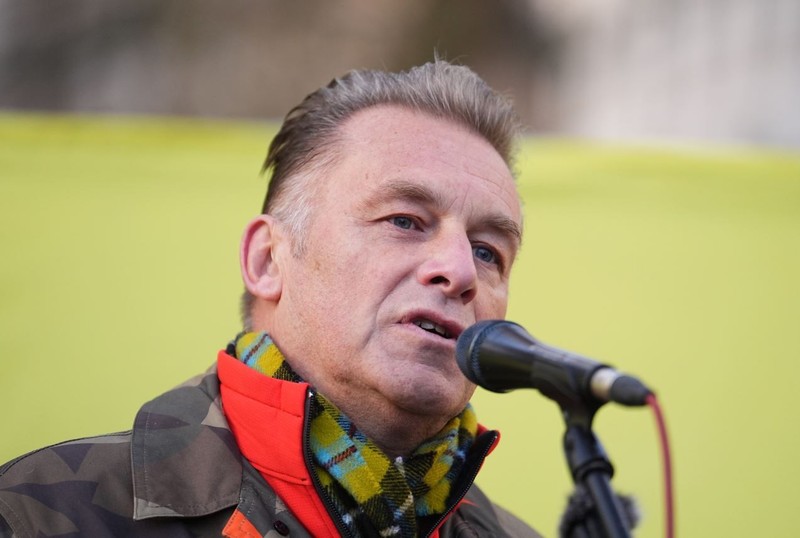
Despite his well-meaning intentions, Packham’s defense of Angela Rayner was met with swift and intense criticism online. Many critics accused the BBC star of hypocrisy, suggesting that had the circumstances involved someone from a political party opposed to Rayner’s Labour, he would have reacted differently. This argument ignited a heated debate about political bias and the ethics of public figures using their platforms to defend individuals embroiled in financial controversies.
Moreover, observers began to question Rayner’s integrity concerning her financial decisions. A notable point of contention arose around the use of funds from a trust set up for her disabled son, leading some to wonder whether this fund was appropriately managed in light of her reported tax issues. The public outcry against Rayner was not only fueled by the allegations of tax evasion but also raised broader discussions about political accountability and responsibility.
The Fallout of Angela Rayner’s Actions
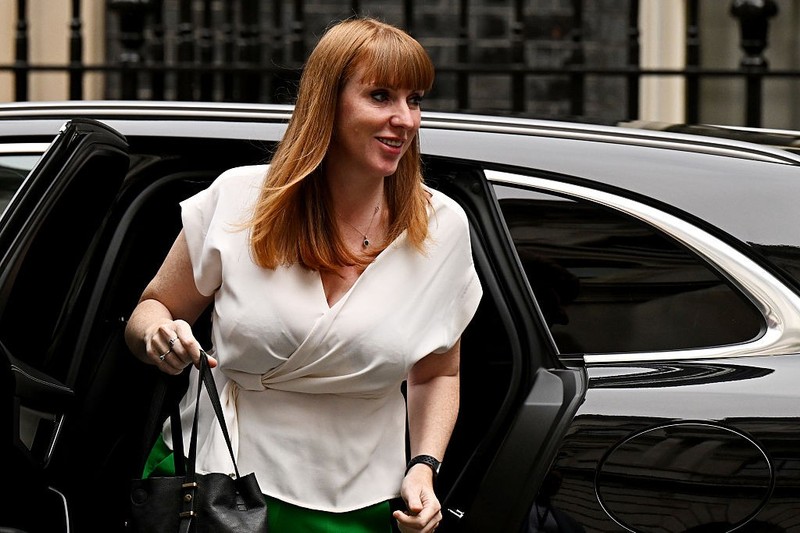
Angela Rayner eventually acknowledged her failure to seek proper financial advice regarding the stamp duty issue and took responsibility for her actions, asserting that she never intended to evade her tax obligations. In a public statement, she clarified her position, aiming to quell criticism and outline her commitment to transparency. Despite her attempts to clarify the situation, the Prime Minister’s ethics adviser declared that although Rayner may have maintained good intentions, her mismanagement constituted a breach of ministerial standards, which inevitably fueled the fires of public discontent.
This situation raises vital questions about the intersection of personal ethics and public service. The backlash against Rayner recently underscores deep-seated concerns regarding political accountability. The public’s response to her actions embodies a growing awareness of and frustration with how some politicians handle their financial matters, prompting broader discussions about the expectations placed on these public figures.
The Broader Implications for Political Discourse
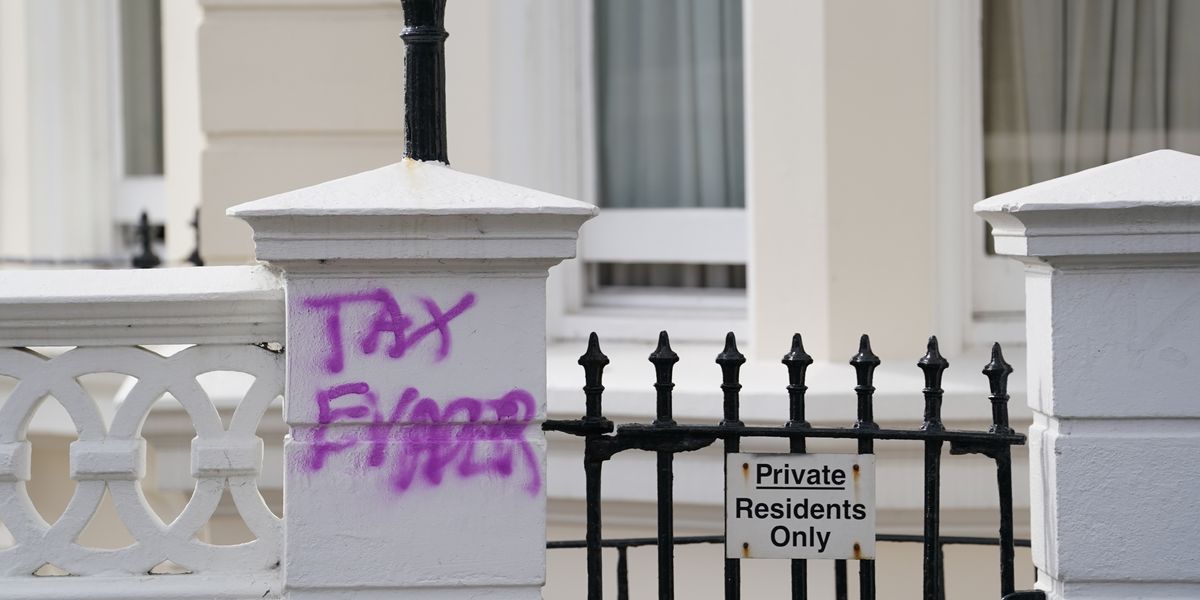
Chris Packham’s vocal support for Angela Rayner—and the ensuing controversy—hints at the complex dynamics at play within political discourse today. As more individuals use social media to voice support for or condemnation of public figures, it raises questions about the societal implications of these endorsements. The backlash against Packham suggests a discomfort with perceived bias, particularly from those in influential positions. The situation exemplifies the increasingly polarized nature of political conversations, where support for one individual can quickly ignite opposition from another camp.
In the era of instant information and reaction, the call for accountability, as seen in Rayner’s case, is louder than ever. It underscores a growing trend where the public demands more from its leaders, recognizing that ethical breaches—whether intentional or accidental—can severely impact public trust.
Conclusion
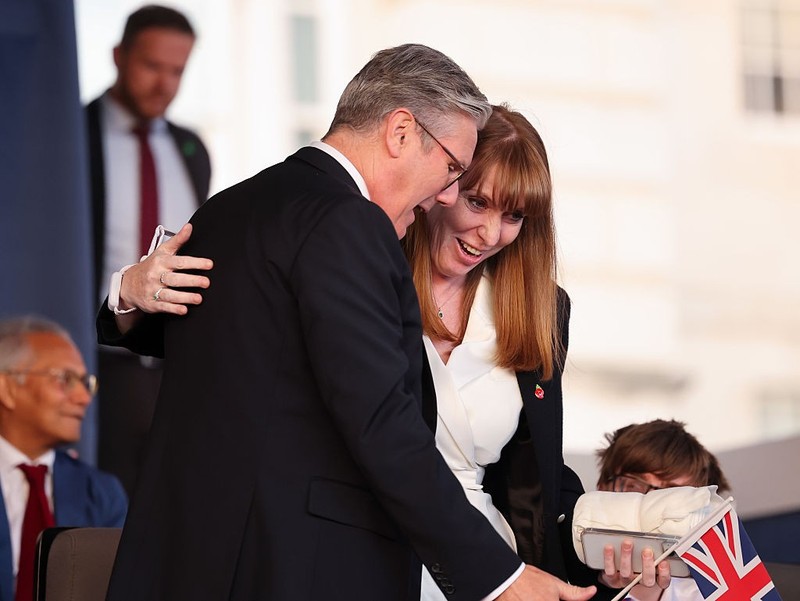
As the dust settles on this controversy, it is crucial for both public figures and the public alike to engage in ongoing conversations about ethics, accountability, and support within the political landscape. Chris Packham’s defense of Angela Rayner may have sparked outrage, but it also illuminated the pressing need for scrutiny and integrity in political conduct. For those invested in political accountability, this issue remains vital, and it is essential to continue advocating for transparency. Stay informed, engage in discussions, and contribute to the call for ethical governance in our political arenas.
Leave a Reply