
Richard Madeley Branded an ‘Absolute Hypocrite’ for ‘Delusional and Embarrassing’ Comments During Good Morning Britain Shoplifting Debate

In a recent segment of ITV’s “Good Morning Britain,” Richard Madeley found himself at the center of controversy following his remarks about shoplifting and its underlying causes. Viewers took to social media to express their criticism, labeling his comments as “delusional” and “embarrassing.” The debate primarily revolved around the experiences of Keeley Knowles, a former prolific shoplifter who argued for addressing addiction and mental health as critical factors in understanding and tackling shoplifting behavior, instead of emphasizing punitive measures like incarceration.

The Debate Unfolds: Addiction vs. Punishment
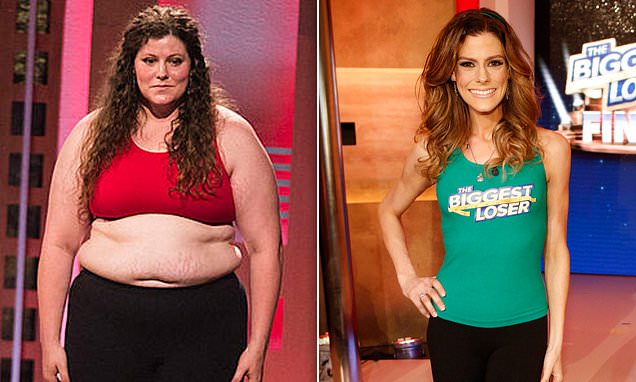
During the discussion, Keeley Knowles, who has previously faced multiple jail sentences, passionately conveyed her belief that punitive measures do not effectively resolve addiction issues associated with shoplifting. Her stance highlighted a growing concern that many individuals engage in this behavior due to deep-seated psychological issues rather than mere criminal intent. Knowles emphasized, “My 28 jail terms didn’t change my behavior; what I needed was help.” This perspective underscores the urgent need for a paradigm shift in how society responds to shoplifting, advocating for rehabilitation over punishment.

Richard Madeley, however, pushed back against Knowles’ assertion, suggesting that not every shoplifter is motivated by addiction. This claim sparked a robust exchange, as Knowles pointed out that a significant percentage of shoplifting incidents are indeed linked to addiction, which casts a shadow on Madeley’s credibility. Critics quickly pointed out that his dismissal of addiction as a factor oversimplified a complex issue, missing the opportunity to engage in a more nuanced conversation about crime, mental health, and societal responsibility.
A Personal Anecdote or a Misstep?

Adding to the gravity of the debate, Richard Madeley shared a personal story about an instance where he witnessed theft while shopping. He expressed a desire to intervene but hesitated due to the potential legal ramifications. His anecdote, while intended to illustrate the moral quandary of confronting crime, was met with skepticism. Many viewers found it ironic that Madeley, who has faced his own controversies regarding theft allegations in the past, would lead such a discussion. Critics pointed out the discrepancy between his experiences and the broader social implications of his comments.

This situation has rekindled conversations about the responsibilities of public figures when discussing sensitive topics like crime and addiction. Viewers on social media voiced their frustrations, questioning how Madeley can advocate for a harsh stance against shoplifting while having a controversial history himself. Such criticisms labeled him an “absolute hypocrite,” emphasizing that his background colors his commentary on the subject.
Public Reaction: A Call for Nuance
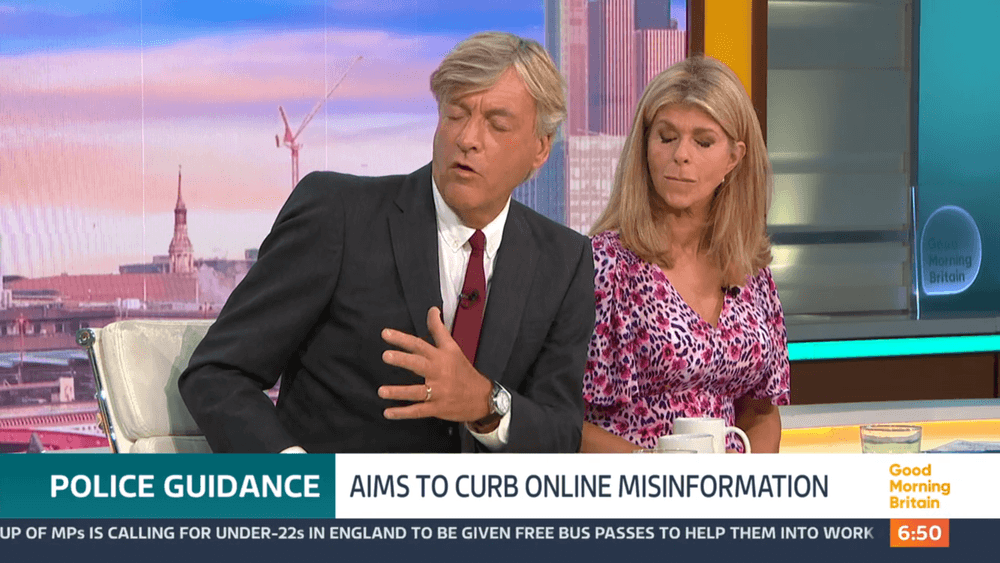
The public response to the debate on “Good Morning Britain” reveals a growing desire for more nuanced conversations surrounding crime. Many viewers identified that the focus should not solely be on the act of stealing but also on the circumstances that lead individuals to such behavior. Social media erupted with calls for understanding and compassion, urging society to consider the various factors influencing shoplifting, such as financial distress, mental health challenges, and addiction.

The discussion points towards an evolving societal attitude that emphasizes rehabilitative approaches over punitive measures. Many advocates stress that addressing the root causes of addiction could lead to fewer incidents of crime and ultimately benefit society as a whole. This conversation resonates increasingly with the public, as more individuals advocate for systemic changes in addressing crime and its correlation with mental health.

In conclusion, the outcry following Richard Madeley’s comments serves as a reminder of the complexities surrounding shoplifting and its underlying issues. The dialogue is not merely about crime but the experiences that lead individuals to engage in such behavior. It’s crucial for public figures to approach these discussions with empathy and awareness of the consequences of their words. With societal perspectives evolving toward rehabilitation, there is a significant opportunity for meaningful change in how we address crime and addiction. For more insights on advocacy towards better societal responses to addiction and criminal behavior, engage with our content and join the conversation today!

Leave a Reply