
The View co-host Ana Navarro urges Gloria Gaynor to turn down Kennedy Center honor because of Trump

Ana Navarro, the outspoken co-host of “The View,” has made headlines by urging renowned singer Gloria Gaynor to reconsider accepting the prestigious Kennedy Center Honor she is set to receive this December. Navarro’s concerns stem from the fact that the award will be presented by former President Donald Trump, a figure she believes has a contentious history regarding the rights of marginalized communities.

In a heartfelt and candid Instagram post, Navarro recounted a personal experience with Gaynor, where the iconic singer gifted her a keychain that played her famous anthem “I Will Survive.” This moment resonated deeply with Navarro, emphasizing how Gaynor’s music has become a vital symbol of resilience and empowerment, particularly within the LGBTQ community. Navarro fears that accepting the honor from Trump could undermine everything Gaynor stands for, especially given Trump’s track record and perceived attacks on various social issues.

Gaynor’s Response to the Kennedy Center Honor

Despite Navarro’s urging, representatives for Gaynor have indicated that the singer is thrilled to receive the Kennedy Center Honor. She expressed feeling “blessed and honored” and plans to continue using her music to inspire people around the world. The honor is not merely a recognition of her past achievements but also a celebration of her ongoing influence in the music industry and beyond. The 2025 Kennedy Center Honors will pay tribute not only to Gaynor but also to other luminaries, including country legend George Strait, legendary rock band KISS, actor Sylvester Stallone, and Michael Crawford, among others.
Cultural Implications of the Debate

This conversation ignited by Navarro reveals a larger cultural conflict surrounding the intersection of art and politics. Artists often find themselves at a crossroads when they receive recognition from potentially polarizing figures. The question arises: does accepting such honors equate to endorsing the political views of the giver? For many artists, accepting awards can be a double-edged sword. While it is an acknowledgment of their hard work and creativity, the implications tied to the award’s source can complicate their reputations within their communities and audience.
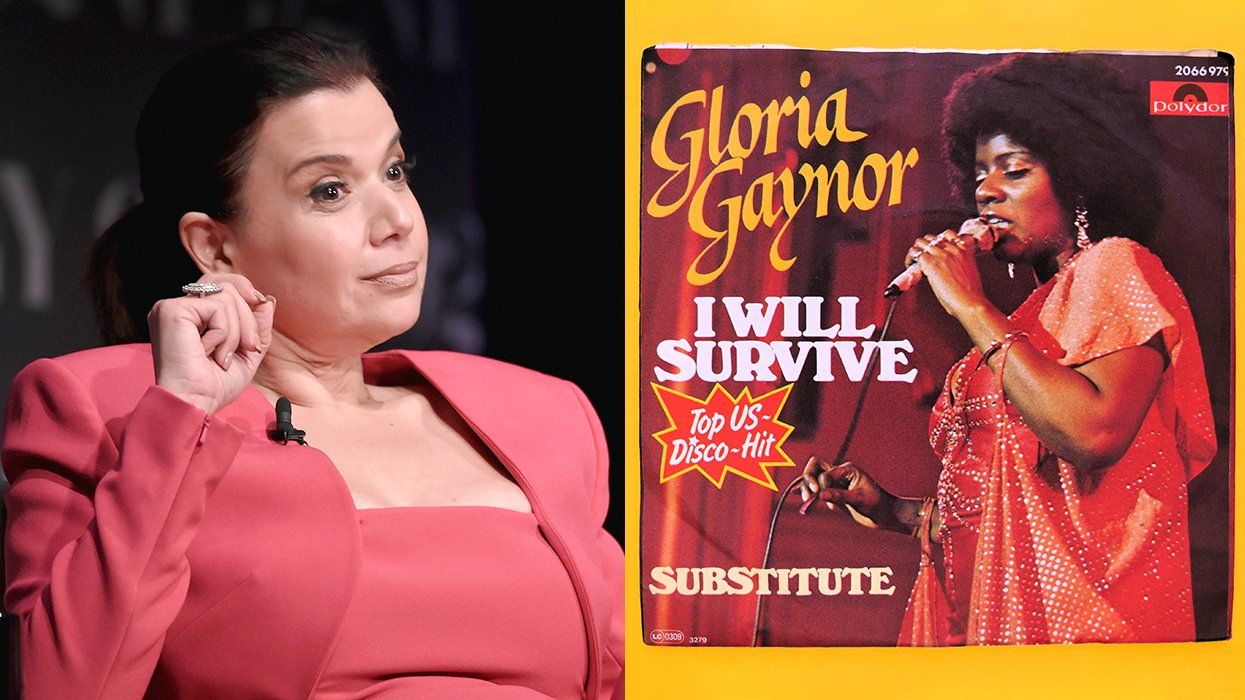
Navarro’s comments also highlight the ongoing conversations about accountability in the entertainment industry. Many artists grapple with the idea of remaining true to their values while also navigating the opportunities that come their way. The internal conflict can be particularly pronounced for artists whose work has resonated deeply with marginalized communities, as Gaynor’s music has with the LGBTQ community. In such cases, accepting an honor from controversial figures can feel like a betrayal to those who view their work as a source of resistance and empowerment.
The Role of Political Activism in the Arts

Political activism within the arts is not a new phenomenon; it has been part of the narrative throughout history. Artists often use their platforms to advocate for change and speak out against injustices. This engagement not only enriches their art but also serves to inspire their followers. The discussions surrounding Gaynor’s potential acceptance of the Kennedy Center Honor illustrate how artists can find themselves at the center of political debates, often facing backlash from segments of their audiences.

As fans and followers of both Gaynor and Navarro observe this unfolding situation, it raises important questions about the role of stardom in political discourse. For an artist like Gaynor, known for her anthems of survival and strength, the decision to accept or decline the honor may serve as a pivotal moment not just for her career but also for her legacy. The impact of her decision could resonate far beyond her individual career, potentially informing how future artists approach similar situations.

Ultimately, the dialogue surrounding Navarro’s urging demonstrates the complex interplay between recognition and values in today’s socio-political landscape. This incident encourages both artists and audiences to reflect on what it means to accept honors in a world where political identities are increasingly tied to personal beliefs and community values.
Conclusion

As the date for the Kennedy Center Honors approaches, many will be watching how Gloria Gaynor navigates this moment. Will she uphold her commitment to her community, or will she embrace the recognition being offered by a figure as divisive as Trump? Regardless of her decision, this scenario encapsulates the intricate relationships between recognition, politics, and personal identity in the modern cultural climate. To stay engaged in this evolving discussion, consider following updates related to this story and joining conversations about the role of art in activism.

Leave a Reply