
CNN’s Abby Phillip Hits Scott Jennings With A Painful Truth About His Critics

In the evolving landscape of political discourse, few television personalities generate as much debate and strong opinions as Scott Jennings. Appearing on CNN as a conservative pundit, Jennings represents a voice that often attracts backlash, particularly during political discussions. However, in a candid interview on Kara Swisher’s “Pivot” podcast, CNN’s Abby Phillip shared her perspective on how Jennings’ presence—and the criticism he faces—can be understood within the broader context of media representation.
Phillip, who has cultivated a reputation for tackling tough topics head-on, addressed the polarizing nature of Jennings’ commentary, particularly during “NewsNight” segments where he frequently defends controversial stances. She recognizes that there is a significant portion of the audience that may take offense to Jennings’ viewpoints. Nevertheless, Phillip argues that this very polarization is what makes representation of diverse perspectives essential in today’s media landscape.
The Importance of Diverse Perspectives in Media

During her discussion, Phillip elaborated on the role of media in presenting a variety of opinions, even those that seem radically different from mainstream thought. She acknowledged that while many viewers are quick to criticize Jennings and his conservative viewpoints, these opinions are not only valid but are shared by millions across the country. The challenge lies in how these views are articulated and debated in the public sphere.
Phillip emphasized that the intent behind the engagement with such differing opinions should lean towards fostering substantive conversation rather than merely aiming for sensational moments. She noted that too often, popular media engages in tactics designed to provoke strong reactions instead of encouraging informed discussions that can contribute to a deeper understanding of complex issues.
Addressing the Backlash Against Jennings
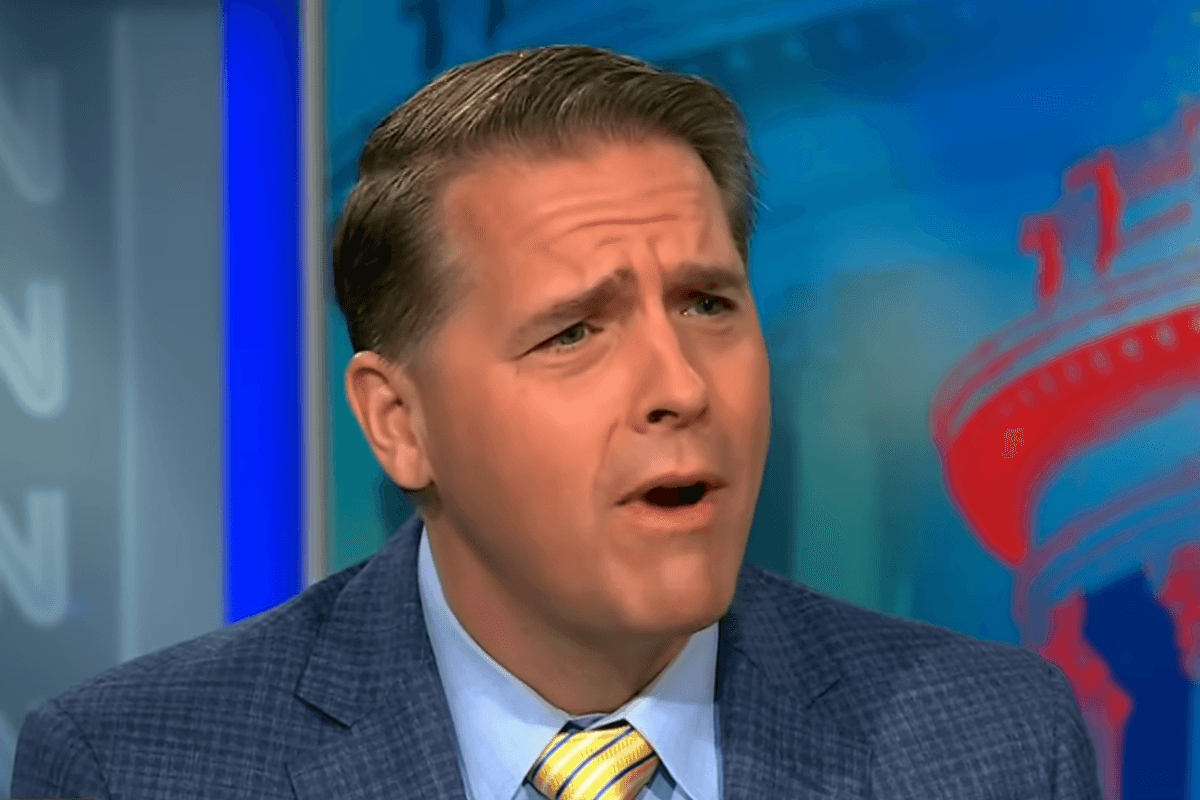
Furthermore, Abby Phillip addressed the intense backlash Jennings faces, recognizing it as part of the broader culture of criticism that public figures experience. Because Jennings is known for unapologetically supporting Donald Trump and defending numerous contentious policies, he becomes a lightning rod for discontent among certain viewer demographics. Phillip made the case that while critics often aim to undermine Jennings’ credibility, they may inadvertently overlook the need for discourse that captures the full political spectrum.
- Jennings serves as a reminder that opposing viewpoints exist in American society.
- Engaging with these perspectives can be critical for a balanced view.
- Media should provide platforms for dialogue rather than just sensationalism.

As an experienced journalist, Phillip understands that by confronting these voices, she is not endorsing every statement made but rather attempting to shine a light on the complexity of the current media ecosystem. Her commitment to a more nuanced discussion signals a departure from the typical black-and-white debates often seen on television.
Challenges of Modern Political Discourse

The challenge for journalists like Phillip in today’s polarized environment is to maintain integrity while facilitating conversations that might make viewers uncomfortable. She openly acknowledged that while there are moments when she may feel the urge to push back against Jennings’ assertions, she realizes that fostering dialogue is fundamental to their roles as communicators.
Encouraging her audience to engage critically with differing viewpoints, Phillip articulated the significance of understanding where these ideas stem from. It becomes clear that engaging with opinions we may disagree with can provide depth to political discourse, moving away from superficial exchanges of insults or quick sound bites. It’s about balancing respectful discourse while also holding participants accountable for their statements.
In conclusion, Abby Phillip’s insights on Scott Jennings and the layered realities of political commentary shed light on the importance of diverse perspectives in media. By navigating the tension between differing ideologies and promoting substantive discourse, she champions the idea that even the most polarizing figures—like Jennings—deserve a seat at the table when approach is rooted in respect and purpose. Overall, engaging with contentious perspectives invites richer conversations that are essential for a healthy democratic society.
For more insights and discussions on political commentary, stay tuned to our articles and join the conversation.


Leave a Reply