
A Political Purge at the FBI: Lawsuit Details Stunning Loyalty Test That Led to Firings at the FBI

In a shocking turn of events, a recent federal lawsuit has unveiled allegations of a significant political purge within the Federal Bureau of Investigation (FBI). These allegations, purportedly orchestrated by FBI Director Kash Patel, have stirred considerable controversy and concern over the agency’s integrity. The lawsuit, discussed by investigative journalist Carol Leonnig during her appearance on MSNBC’s “Deadline: White House” with host Nicolle Wallace, outlines troubling claims that signal potential breaches of impartiality at one of the nation’s key law enforcement agencies.

The accusations center on the assertion that certain FBI agents, including several with commendable records and service histories, were subjected to strenuous loyalty assessments. These tests were not merely performance evaluations; rather, they sought to gauge agents’ political allegiances. Agents deemed insufficiently aligned with a specific political ideology faced termination, raising alarm bells about the politicization of a federal agency traditionally viewed as neutral.
The Allegations Unpacked

The lawsuit sheds light on a system in which agents were reportedly evaluated on their political beliefs rather than their professional capabilities or ethical standards. This practice drew several critics who argue that it undermines the foundational principles upon which the FBI was built. The very idea of loyalty tests raises questions about whether agents can perform their duties without fear of reputational or job-related repercussions based on their personal political views.
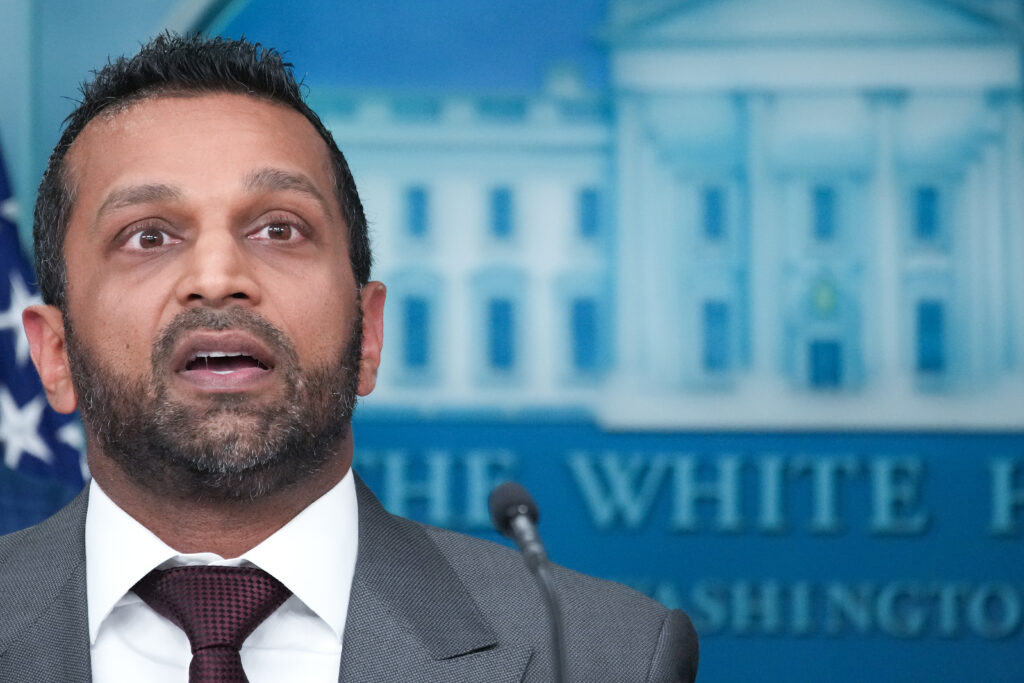
With the FBI’s historical role in ensuring justice and maintaining law and order, the implications of these allegations are profound. The lawsuit highlights how the forced loyalty of federal agents could severely compromise their objectivity and ability to carry out impartial investigations. Many observers worry that such an environment fosters fear over free expression and could lead to a chilling effect on whistleblowing and other essential checks and balances within the agency.
Broader Repercussions and Public Discourse

The fallout surrounding these allegations has incited numerous reactions from political figures, advocacy groups, and the media. Many leading voices have pointed out that the ramifications of this situation extend far beyond the FBI. Critics argue that allowing political loyalty to outweigh professionalism within federal agencies sets a dangerous precedent that could erode public trust in law enforcement and has wider implications for democratic governance in America.

This incident has prompted a national conversation regarding the integrity of federal institutions and the balance between political allegiance and public service. Some experts warn that such abuses of power can diminish the credibility of institutions that must operate in a non-partisan manner. Public discourse has flowed into pivotal discussions on the need for accountability and transparency in government entities, especially those tasked with upholding justice and safeguarding citizens’ rights.
Maintaining Impartiality in Law Enforcement

The controversy surrounding the alleged political purge at the FBI underscores the critical need for preserving the department’s impartiality. As concerns about politicization continue to grow, many advocates stress the importance of safeguarding independent investigations. Without stringent measures to maintain non-partisanship, there is a legitimate fear that the FBI could become an extension of political agendas rather than a genuine protector of justice.

The core mission of the FBI involves enforcing federal laws and ensuring equal treatment under the law, regardless of political affiliation. If loyalty assessments become commonplace, it could jeopardize the agency’s ability to operate free from political bias, thus eroding public trust. As discussions evolve, many individuals advocate for robust mechanisms that hold the FBI accountable while effectively promoting a culture of integrity.

As the lawsuit progresses, the implications of these allegations may catalyze wider legislative scrutiny and even reforms aimed at preventing political loyalty tests in federal law enforcement. The outcomes could reshape the future of the FBI and serve as a touchstone for the future interactions between political ideologies and law enforcement in America.
Conclusion
The unfolding events regarding the alleged political purge at the FBI encapsulate a pivotal moment in American governance, emphasizing the urgent need for protective measures against politicization in law enforcement. As citizens grapple with the implications of this lawsuit, the conversation surrounding the integrity of federal agencies remains at the forefront. Engaging in this debate is crucial for ensuring that the core values of justice and fairness prevail within our democracy. To stay informed about the latest developments and join the conversation surrounding this critical issue, follow our updates and get involved in advocacy for a non-partisan FBI.
Leave a Reply