
Jake Tapper Reveals His Daughter ‘Almost Died’ from Appendicitis After Having Been Misdiagnosed
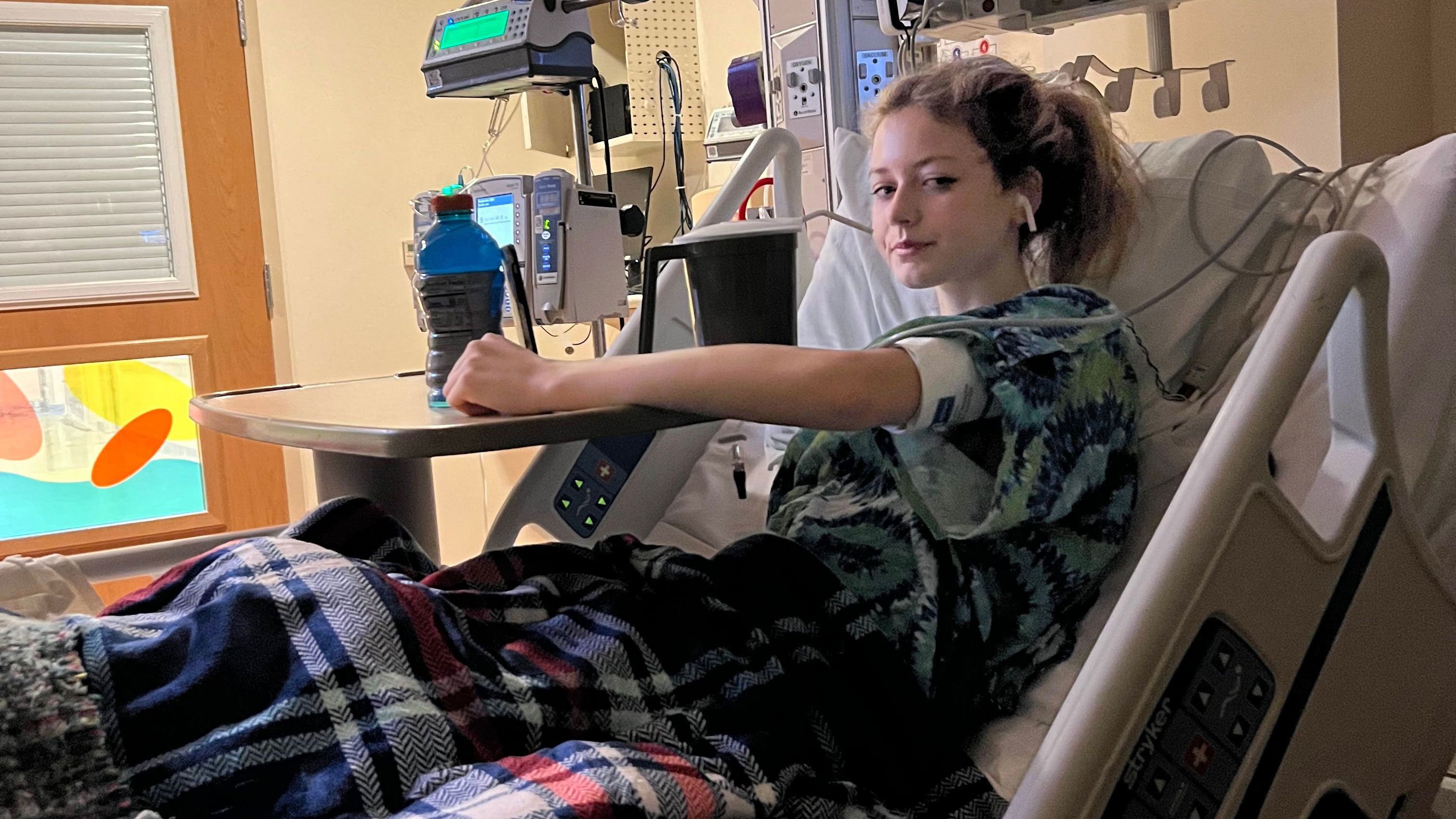
In a harrowing account, Jake Tapper recently disclosed the near-fatal misdiagnosis of appendicitis involving his 15-year-old daughter, Alice. This shocking incident took place last Thanksgiving, bringing to light the serious implications of misdiagnosis in pediatric healthcare. Both Tapper and Alice are now vocal advocates for awareness surrounding the critical need for proper diagnosis and the dangers of overlooking symptoms.

The Initial Misdiagnosis

It all began when Alice sought medical attention due to excruciating abdominal pain. Upon examination, the doctors dismissed the likelihood of appendicitis, explaining that her pain was scattered throughout her abdomen rather than localized. Consequently, they suggested that her symptoms were indicative of a viral infection rather than a serious condition. Despite the family’s apprehension and their pleas for a more thorough investigation, which included a requested sonogram, medical staff maintained that these steps were unnecessary.

As days passed, Alice’s health deteriorated rapidly. Her symptoms escalated to alarming levels—her skin became pale, and her abdominal discomfort intensified significantly. Recognizing the urgency of the situation, Jake Tapper decided to take matters into his own hands and contacted the hospital administrator, ultimately leading to a crucial abdominal X-ray. The results of the X-ray were shocking: Alice had a perforated appendix, which was causing toxic fluid to leak into her abdomen.

The Consequences of Delayed Diagnosis
The delay in reaching a correct diagnosis forced Alice into a tumultuous recovery journey. She underwent surgery to remove her appendix, followed by additional laparoscopic procedures to address the considerable buildup of fluid. In the aftermath of these harrowing experiences, Alice opened up about the challenges she faced, which included significant health struggles that impacted her ability to attend school regularly.

Alice’s story has ignited a conversation around the importance of self-advocacy in medical situations. In her own words, she emphasized the necessity for patients—especially young ones—to take charge of their health narratives. Her essay highlighted the tragic outcomes faced by other children who have suffered due to delayed appendicitis diagnoses, leading to preventable fatalities. Alice’s powerful testimony echoes the urgent need for awareness and vigilance in recognizing symptoms that may signal appendicitis.
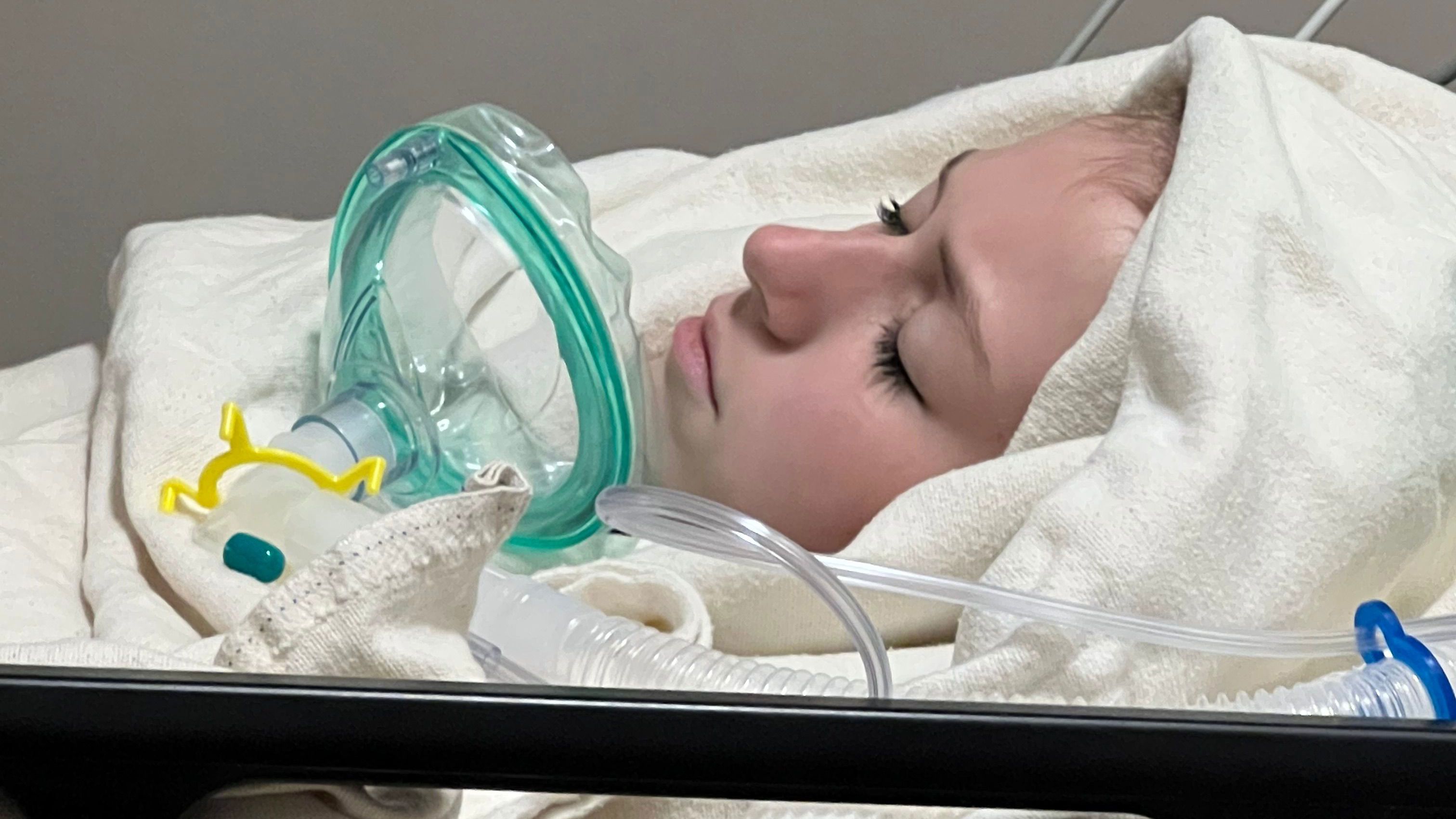
Raising Awareness to Prevent Future Misdiagnoses
Jake Tapper has taken to various platforms to shed light on this pressing issue. He pointed out that misdiagnosed appendicitis is alarmingly common, often resulting in severe complications that might have been avoided with prompt and accurate medical attention. By sharing Alice’s traumatic experience, Tapper hopes to foster awareness among parents, guardians, and healthcare professionals regarding the critical nature of appendicitis and the potential repercussions of overlooking its warning signs.

As a public figure, Tapper’s goal extends beyond merely recounting his family’s ordeal; it’s about implementing change at a systemic level. He urges medical practitioners to listen attentively to their patients, particularly children, and to embrace a more comprehensive approach toward differential diagnoses. Tapper’s efforts resonate with countless families, emphasizing the need for proactive health advocacy to ensure that no child suffers from a misdiagnosis again.

Conclusion
Jake Tapper and his daughter Alice’s story serves as a crucial reminder about the importance of being proactive in healthcare. By raising awareness of the dangers associated with misdiagnosed appendicitis, they encourage others to voice their health concerns loudly and clearly. It is crucial for every individual, particularly younger patients, to take charge of their health. If you are concerned about your health or that of a loved one, don’t hesitate to seek a second opinion or ask for further testing. Your voice can help prevent misdiagnoses and save lives.


Leave a Reply