
How Margaret Brennan Became MAGA’s Favorite Media Punching Bag

Margaret Brennan, the moderator of CBS’s “Face the Nation,” has carved out a reputation as a tough and incisive journalist. Renowned for her penetrating interview techniques, she has recently found herself at the center of controversy as Donald Trump re-emerges as a powerful figure in American politics. A segment of Trump’s supporters has begun to perceive her as an emblem of what they consider a biased media landscape that opposes their views.
The Confrontations Fueling Controversy

In recent months, high-stakes interviews have placed Brennan under scrutiny, most notably her exchanges with prominent figures like Secretary of State Marco Rubio. A significant moment occurred when Brennan challenged Rubio regarding the comments made by Vice President JD Vance at the Munich Security Conference. Vance’s remarks on censorship and his meetings with divisive political leaders sparked criticism from Brennan, who controversially compared the weaponization of free speech to the atrocities of Nazi Germany. This statement drew a furious backlash from Rubio, who accused her of misrepresenting historical facts.
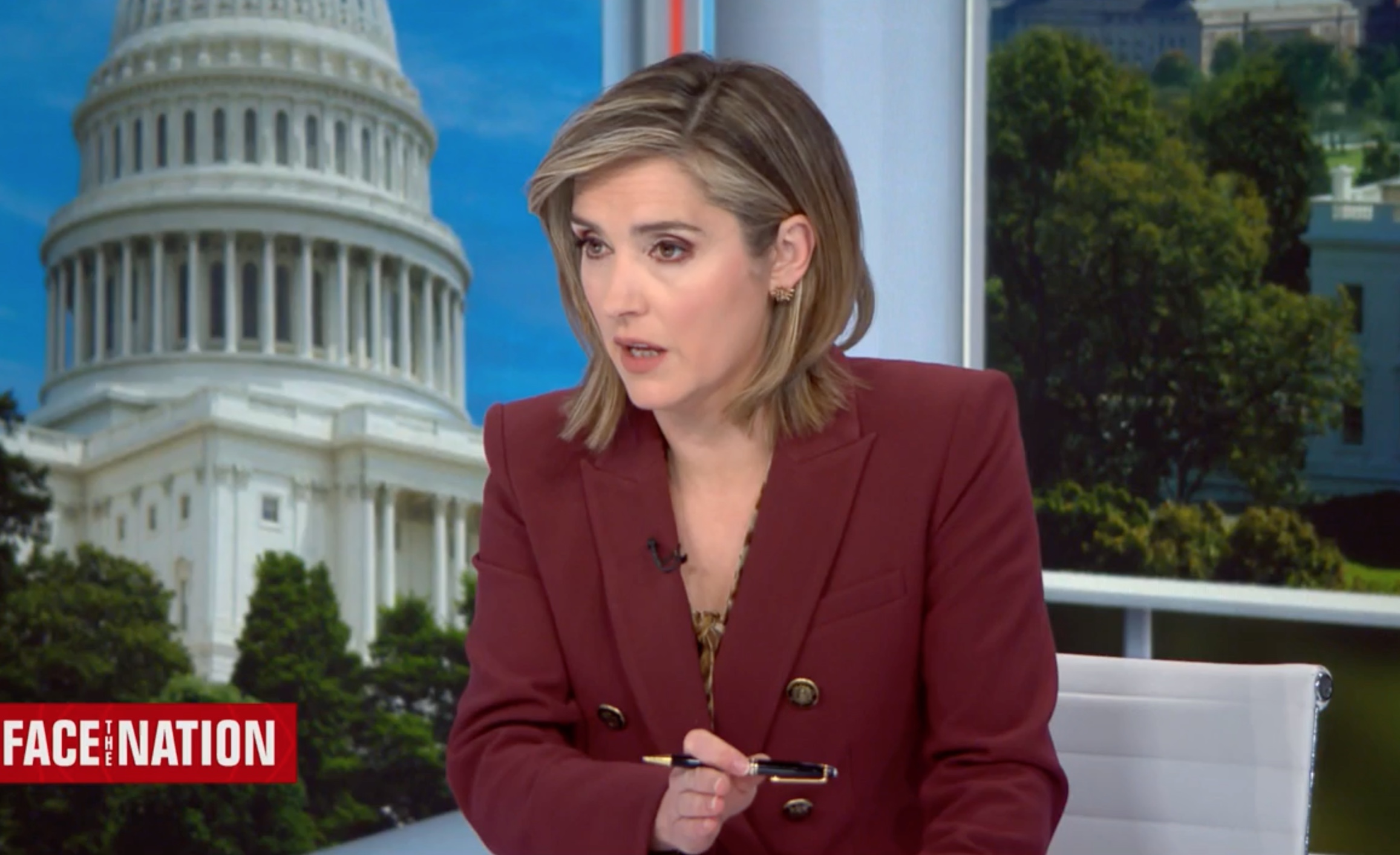
This contentious exchange rapidly gained traction on social media, pushing Brennan further into the crosshairs of MAGA supporters. They have increasingly claimed that mainstream media platforms, including CBS, exhibit a bias against conservative viewpoints, using Brennan’s questioning style as prime evidence of this perceived hostility. The sentiment reflects a broader trend wherein journalists are increasingly viewed as opponents rather than impartial arbiters in national discussions.
Historical Context of Media and Politics

The friction between Brennan and members of the Trump administration is a recurring narrative. During Vance’s debut interview as vice president on “Face the Nation,” he notably dismissed Brennan’s concerns about immigration vetting by responding, “I don’t really care, Margaret.” This accountability-deflecting remark resonated with Trump supporters, who embraced it as a symbolic stance against what they interpret as a hostile media landscape.

Political analysts suggest that these dynamics have significant implications for the framing of political discourse. Rather than focusing on substantive issues, political figures often redirect conversations toward undermining journalists and their credibility. This shift can hinder public understanding and engagement with crucial matters. Critics, such as former CNN correspondent Frank Sesno, emphasize the detrimental effects of such trends, which threaten the integrity of journalism as an essential component of democracy.
The Future of Media Coverage in a Changing Political Landscape

As Donald Trump re-establishes his influence, questions about the future of media coverage are more prevalent than ever. Some analysts speculate that audiences may experience “fatigue” with Trump-centric stories, suggesting that the media’s intense focus on his first term may deter public engagement moving forward. Conversely, others advocate for a renewed emphasis on substantive political discourse as opposed to sensationalized reporting.

In light of this evolving media landscape, Margaret Brennan’s position as a journalist has increasingly placed her at the intersection of partisan conflict. Her confrontational interviews serve as a lens through which viewers can examine broader tensions between political figures and the media. The implications extend beyond individual exchanges between journalists and political leaders, shaping the way information is consumed in a highly polarized society.


Leave a Reply